
The Oro Valley area faces termite challenges from Western Subterranean, Desert Drywood, and Formosan Termites. Effective termite control Tucson naturally involves regular inspections, eco-friendly baits/traps, natural predators, and plant barriers. Early signs include wood damage and termite swarms; prevention includes proper drainage, moisture control, regular inspections, and sealing entry points. Natural methods, combined with expert guidance, offer tailored protection against subterranean and drywood termites without harsh chemicals.
Termites are a significant pest problem across the southwestern United States, including Oro Valley, Arizona. These relentless insects can cause extensive damage to homes and structures, leading to costly repairs or even complete replacements. With their silent destruction, it’s crucial to understand the types of termites prevalent in the area and implement effective termite control strategies. In this comprehensive guide, we delve into the specific termite species plaguing Oro Valley and explore natural, eco-friendly solutions for termite control Tucson residents can trust, ensuring the protection of their properties without harmful chemicals.
- Identifying Termite Species in Oro Valley
- Natural Methods for Termite Prevention
- Signs and Symptoms of Termite Infestation
- Effective Termite Control Tucson Naturally
Identifying Termite Species in Oro Valley

The Oro Valley area is home to several termite species, each with unique characteristics and behaviors that impact local homes and properties. Identifying these termites is crucial for effective termite control Tucson naturally. The most common species include the Western Subterranean Termite, the Desert Drywood Termite, and the Formosan Termite.
Western Subterranean Termites are the most prevalent in Arizona, including Oro Valley. They live in large colonies underground, with a single colony potentially containing millions of insects. These termites feed on cellulose-rich materials, primarily wood, and can cause significant structural damage to homes over time. Identifying them early is key, as their presence often goes unnoticed until visible signs of infestation appear.
Desert Drywood Termites are another species native to the region. Unlike Subterranean Termites, they don’t require contact with soil and can live in dry wood. These termites create intricate tunnels within wooden structures, which can be identified by the small holes they leave behind. They are less destructive than Subterranean Termites but still pose a threat to wooden components of homes.
Formosan Termites, an invasive species, have also made their way to Oro Valley. They are highly aggressive and rapid breeders, capable of causing extensive damage in short periods. Formosan termites often build their nests above ground, in tree trunks or wooden structures, making them more visible than other species. Their presence requires immediate attention, as they can quickly spread to neighboring properties.
Termite control in Oro Valley should be approached naturally whenever possible, focusing on prevention and early detection. Regular inspections by trained professionals are essential to identify these species and their unique behaviors. Once detected, targeted treatments that minimize environmental impact, such as eco-friendly baits and traps, can be employed effectively.
Natural Methods for Termite Prevention
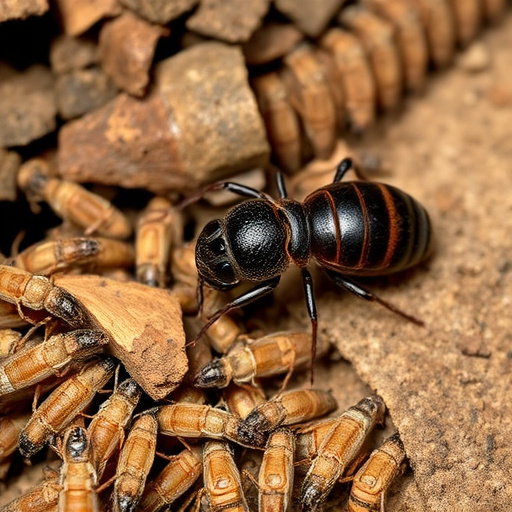
The Oro Valley area, like many regions across Arizona, plays host to several termite species, making natural methods for termite prevention a critical consideration for homeowners and property managers. The most prevalent termites in this region include the Desert Subterranean Termite and the Western Drywood Termite. While chemical treatments have long been the go-to for termite control Tucson, an increasing awareness of environmentally conscious solutions has prompted a shift towards more natural approaches.
Natural methods for termite prevention leverage the ecological balance and beneficial insects to suppress termite populations. One effective strategy is the introduction of natural predators such as ants, beetles, and certain fungi that target termites specifically. For instance, the use of Metarrhizium anisopliae, a fungus that infects and kills termites, has shown promising results in controlled studies. Additionally, planting native trees and shrubs around the property can attract beneficial insects that feed on termite larvae, creating a natural barrier against infestations.
Regular inspection and maintenance are cornerstones of any natural termite control Tucson strategy. Identifying potential entry points—cracks in foundations, broken windows, or damaged wood—is crucial for preventing termites from establishing colonies. Addressing these issues promptly with materials like steel mesh or caulk can significantly reduce the risk of infestation. Furthermore, maintaining proper drainage around the property and addressing moisture problems immediately is essential, as termites are attracted to humid environments. By combining these natural methods with diligent maintenance, homeowners in Oro Valley can effectively protect their properties from termite damage without resorting to harsh chemicals.
Signs and Symptoms of Termite Infestation

The Oro Valley area is home to several termite species, each with its own unique characteristics and behaviors. Among the most common are the Eastern Subterranean Termite, Western Subterranean Termite, and Formosan Termite. Identifying signs of a termite infestation early on is crucial for effective termite control Tucson naturally. One of the first indicators is visible damage to wood structures, such as walls or floors, which may appear as slender tunnels or hollow areas. Termites also leave behind a scent trail, attracted by the carbon dioxide produced by living trees and wood products. This behavior can lead them to structure wood in your home, causing significant structural damage over time.
Another telltale sign is the presence of swarms. During the warmer months, mature termites often exit their colonies to mate and establish new territories, a process known as swarming. Homeowners may notice small, winged insects emerging from cracks around windows or doors. These are not ants; they have straight antennae and visible wings, distinct from ant species. Termite swarmers also leave shed wings near entry points, which can be easily missed but serve as clear evidence of an active infestation. Regular inspections by professionals in termite control Tucson naturally can help identify these signs early, preventing extensive damage to your home or property.
To prevent and manage termite infestations, homeowners should take proactive measures. This includes maintaining proper drainage around the house, eliminating sources of moisture, and ensuring structural integrity. Regularly inspecting wooden structures for any signs of damage or infestation is essential. Termite control Tucson naturally experts recommend sealing entry points like cracks, gaps in foundations, or damaged wood, as these can serve as easy access routes for termites. Implementing a comprehensive termite management plan, including regular treatments and inspections, can protect your investment and preserve the structural integrity of your Oro Valley home.
Effective Termite Control Tucson Naturally
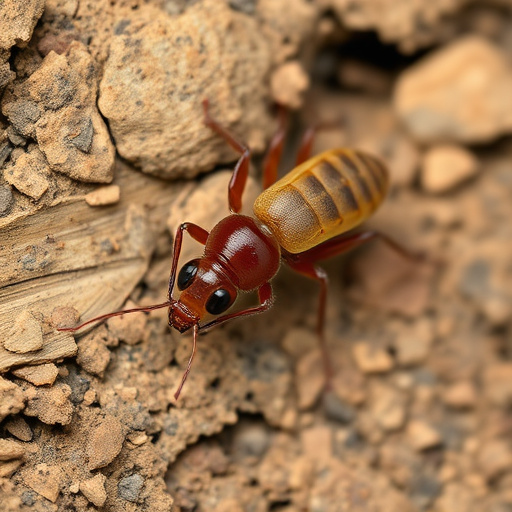
The Oro Valley area is home to several termite species, each requiring specific strategies for effective termite control Tucson naturally. The most prevalent are the subterranean termites, known for their colony construction underground and feeding on cellulose-rich materials like wood and paper products. In this region, they often build large, complex networks of tunnels, making early detection crucial. Another notable species is the drywood termite, which prefers to nest in wooden structures above ground, posing a unique challenge for local homeowners and businesses.
Natural termite control methods have gained popularity due to their environmental friendliness and effectiveness. In the case of subterranean termites, one proven approach involves baits that target specific behaviors. These baits contain a slow-acting substance that is shared among colony members, eventually leading to the collapse of the entire nest. For drywood termites, physical exclusion and heat treatments are common strategies. Termite traps and barriers can also be installed around properties to deter infestations, especially in areas with historical termite activity.
Homeowners and property managers in Oro Valley should stay vigilant, regularly inspecting structures for signs of termite damage or activity. Early intervention is key to preventing extensive infestations. Consulting with local pest control experts who specialize in termite control Tucson naturally can provide tailored solutions, ensuring the preservation of both properties and the environment. Regular maintenance and inspections will significantly reduce the risk of termite-related issues over time.
Understanding the termite species specific to Oro Valley is key to effective prevention and control. By identifying the culprits, residents can employ natural methods such as removing wood contact with soil and maintaining proper drainage to deter these pests. Recognizing early signs like mud tubes and wood damage is crucial for timely intervention. For a more natural approach to termite control Tucson naturally, exploring organic treatments like bait systems and essential oil applications offers safe, eco-friendly solutions. This article equips readers with the knowledge to proactively manage termites, ensuring the protection of their Oro Valley homes without resorting to harsh chemicals.